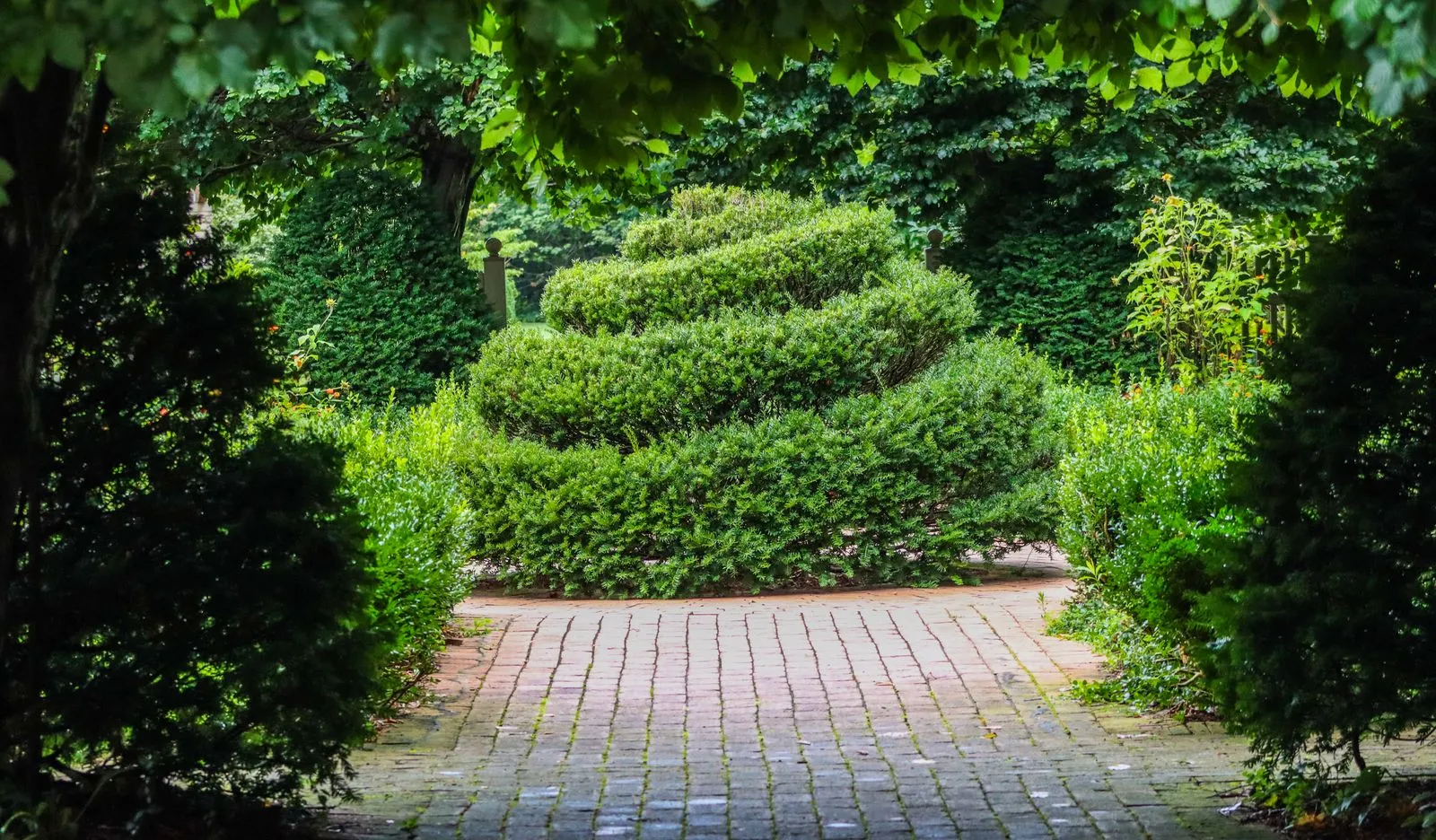
A well-planned garden path makes it easier to move around your outdoor space and protects lawns and planting beds from foot traffic. Before choosing pavers or gravel, consider where people need to go, how water moves across the garden, and how much upkeep you can manage. A little planning can prevent common problems such as slippery surfaces, puddles, awkward turns, and paths that feel too narrow for everyday use.
Choose Materials for Use and Upkeep
Match the surface to the way you will use the path. Pavers and natural stone provide a firm, stable route for frequent walking, while gravel can suit a more informal garden. Stepping stones may work for occasional access across a lawn, but they need careful spacing and a stable base so they do not shift or create tripping points.
Consider grip, maintenance, and how the material will look beside your home and garden. Smooth surfaces can become slippery when wet, while loose gravel may spread into lawns or planting beds. Ask suppliers about installation requirements and care, and view samples outdoors if possible; color and texture can look different in natural light.
Plan for Water and Drainage
Observe the garden after rain before setting the route. Note where water collects, where it flows from downspouts, and whether the ground slopes toward the house. A path should not block existing drainage or direct runoff toward foundations, neighboring properties, or low spots where water already pools.
The right construction depends on the surface and site. A permeable material may allow water to soak through, while solid paving often needs a slight cross-slope and a suitable outlet for runoff. Prepare a stable base and avoid laying materials over soft, waterlogged ground. For complex drainage or steep slopes, get site-specific advice before work begins.
Make Access Comfortable
Map the destinations the path should connect, such as the front gate, entry, patio, shed, or garden beds. Choose a route that follows natural movement rather than forcing sharp turns or detours. If people will carry tools, groceries, or garden waste, allow enough room to pass comfortably and select a surface that stays firm under regular use.
Think about everyone who may use the garden. A smooth, stable route is easier for people with mobility needs, wheeled bins, and prams than uneven stepping stones or deep gravel. Check gates, steps, and thresholds along the route, and make sure the path remains usable when plants grow or garden furniture is in place.
Set a Layout That Fits the Garden
Mark the proposed route with a garden hose, rope, or temporary stakes before digging. Walk it in both directions and check that it feels natural from the main entry points. A straight path can make a small garden feel orderly, while a gentle curve can lead attention through a larger space. Avoid curves that reduce usable planting area without improving access.
Check the path’s width, edges, and relationship to existing features. Leave room for plants to mature, keep access to taps and utility covers, and avoid placing a narrow route where branches will constantly overhang it. Confirm property boundaries and underground services before excavation, then adjust the plan to suit the actual site.
The best garden path balances a practical route with materials that suit the site, safe drainage, and comfortable access. Mark out the design and test it before committing to excavation or construction. If you would like help planning a path for your Sydney garden, contact Harbourline Landscapes to discuss your options.